CMS's proposed CRUSH rule: what the fraud crackdown would change for Medicare and Marketplace consumers
CMS's proposed CRUSH rule targets Marketplace agent fraud and DMEPOS cold calls. Comments close January 19, 2027 — what's proposed, what protects you now.
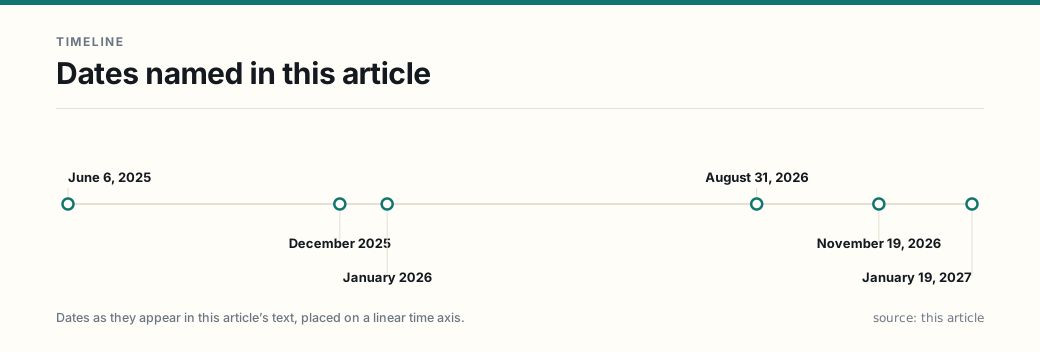
CMS published the CRUSH proposed rule — “Comprehensive Regulations To Uncover Suspicious Healthcare,” CMS-6098-P, at 91 Fed. Reg. 74680 — on November 19, 2026. It is a package of anti-fraud changes for Medicare, Medicaid, CHIP, and the ACA Marketplaces, and its two most consumer-visible pieces would strip Marketplace agents of their registration on a credible allegation of abusive conduct and ban DMEPOS suppliers from cold-contacting beneficiaries by social media, email, or door-to-door. Nothing in it is binding yet: CMS is taking public comments until January 19, 2027.
| What it is | A proposed rule from the Centers for Medicare & Medicaid Services (CMS), filed as CMS-6098-P |
| Published | November 19, 2026, 91 Fed. Reg. 74680–74846 |
| Comments close | January 19, 2027 — regulations.gov docket CMS-2026-0826, file code CMS-6098-P |
| Covers | Medicare, Medicaid, CHIP, and the Federally-facilitated and State-based Exchanges on the Federal platform |
| Status | Proposed only — no provision takes effect until a final rule |
Why CMS says it is doing this
The rule cites a June 6, 2025 presidential memorandum on eliminating waste, fraud, and abuse in Medicaid, and attaches numbers to the problem: for Marketplace plans, CMS says it received more than 624,000 consumer complaints of unauthorized enrollment or unauthorized plan switching from 2023 through 2025 — confirmed by issuer and CMS review — with about 300,000 of them in 2025 alone. An unauthorized enrollment, as the rule defines it, is one that happened without consumer consent. On August 31, 2026, CMS canceled roughly 315,000 such enrollments covering more than 760,000 consumers. Since January 2026 it has issued termination notices to more than 200 non-compliant agents and brokers, and in the summer of 2026 it sent 569 notices of intent to terminate to agents who submitted 2026 applications without key identifying information such as a Social Security number.
Federal health programs are also, by CMS’s own characterization, big enough targets to matter: the rule describes the Medicare Advantage risk adjustment system as carrying $21 billion per year in overpayments tied to improper inflation of beneficiary risk scores, and cites HHS’s FY 2025 agency financial report for about $1.13 billion in improper premium tax credit payments in fiscal year 2025.
Independent verification of the Marketplace numbers exists: a Government Accountability Office review (GAO-26-108742, December 2025) identified at least 30,000 applications in plan year 2023 and at least 160,000 in plan year 2024 with likely unauthorized changes by agents or brokers — the same figures the proposed rule cites.
1. Marketplace agents, brokers, and web-brokers
This is the section aimed at the conduct behind those 624,000 complaints. As proposed, CMS would:
- Suspend an agent’s, broker’s, or web-broker’s Exchange agreement on a credible allegation of abusive conduct (a change at 42 CFR 155.220(g)(5)(ii)), and terminate the agreement where CMS finds abusive conduct occurred by a preponderance of the evidence (g)(5)(iii). Today’s standard is fraud-based; the proposal moves to a broader “abusive conduct” framework.
- Bar participation entirely for anyone currently terminated, suspended, revoked, debarred, or excluded from any federal program, or whose license in another state is currently suspended or revoked for conduct that may harm consumers or program integrity — even while an appeal is pending (proposed 155.220(g)(3)(iii)–(iv)). CMS asks for comment on whether exceptions are warranted.
- Add illustrative examples of harmful behavior to the regulations, and post a public registration termination list so consumers can see who has been removed.
- Require that access to Exchange systems and consumer personal information occur only from within the United States.
What this means for a consumer: the consequences of being caught are proposed to get faster and broader, but the rule does not change your own enrollment rights. The immediate protections you have — checking your account, disputing an enrollment you did not make, reconciling Form 1095-A at tax time — are covered step by step in what to check after CMS canceled 315,000 Marketplace policies.
2. DMEPOS: what’s banned today vs. what’s proposed
Already the law today: suppliers of durable medical equipment, prosthetics, orthotics, and supplies may not call you about a Medicare-covered item unless (1) you gave written permission, (2) they furnished an item and are coordinating delivery, or (3) they furnished one to you in the prior 15 months. That ban is in Section 1834(a)(17) of the Social Security Act (42 U.S.C. 1395m) and in the supplier standard at 42 CFR 424.57(c)(11) — and violating supplier standards can cost a supplier its Medicare billing privileges.
Proposed, not yet in effect: a new supplier standard at 42 CFR 424.57(c)(31) would extend the unsolicited-contact ban to direct messages on social media platforms, email messages without opt-out features, and door-to-door in-person solicitation, with the same three exceptions. CMS would also clarify that the existing telephone ban covers text messages and explicitly covers third-party agents of suppliers — closing the loophole where a marketing company, not the supplier itself, does the contacting. CMS says the change targets the pattern of high-pressure marketing that leads to Medicare being billed for medically unnecessary items, or for items never supplied at all.
If finalized as proposed, these provisions become effective 60 days after the final rule publishes — so until then, the phone ban is what you can enforce, and the new channels remain legal for suppliers to use.
3. The rest of the package
The rule’s other three groups are aimed at providers and states rather than consumers:
- Provider enrollment. Tightened identity verification, faster reporting of enrollment changes, expanded grounds for denial and revocation, and a requirement that all providers and suppliers billing Medicare Advantage be enrolled in Original Medicare.
- Medicare Advantage oversight. Reinvigorated Risk Adjustment Data Validation (RADV) audits — the program CMS ties to the $21 billion figure — plus mandatory referrals of substantiated fraud by MA organizations and Part D sponsors, and expanded payment-suspension reporting beyond pharmacies to all provider types.
- Medicaid and CHIP. Faster state payment suspensions on credible fraud allegations, prompt reporting and return of overpayments, more provider-ownership data reporting, electronic visit verification data review, and a request for information on deductions from Medicaid payments for items such as union dues.
CMS’s own cost accounting is incomplete by design: it estimates about $379 million in quantified costs from 2027 to 2036 and says over $90 billion in transfers between the federal government, states, and private entities may result — but the Office of the Actuary has not finished scoring the rule, and CMS is explicitly asking commenters for data on administrative and utilization impacts.
What you can actually do now
- Comment by January 19, 2027. Submit at regulations.gov, docket CMS-2026-0826, file code CMS-6098-P. CMS reads unique comments; a short specific one carries the same weight as a long one.
- Check your Marketplace account and Form 1095-A for any plan you did not select, especially if you got an “approved” letter for coverage you never signed up for. The walkthrough is in the unauthorized-enrollment cancellation guide.
- Hang up on Medicare equipment calls. The telephone ban is real law today — a supplier cold-calling you about back braces or knee braces is violating it. Never confirm your Medicare number to an inbound caller, and report suspected fraud to the HHS Office of Inspector General at oig.hhs.gov/fraud/report-fraud/.
- Don’t expect new protections yet. The social-media, email, and door-to-door ban, and the agent suspension framework, all need a final rule first. CMS gives no timeline for that decision.
FAQ
What does CRUSH stand for? Comprehensive Regulations To Uncover Suspicious Healthcare — the acronym CMS gave the proposal (CMS-6098-P).
Does this affect my Medicare premium or benefits? No. The rule is about program integrity — enrollment checks, audits, fraud enforcement — not about benefit amounts, premiums, or deductibles. Those were set separately in the 2027 rate notices CMS published the same week.
Is the government going to start suspending agents immediately? Not on this rule alone. CMS already terminated more than 200 agents and brokers since January 2026 under existing standards; the proposal would change the standards going forward, after a final rule.
Where do the 624,000 complaints and 315,000 cancellations come from? Both are stated in the proposed rule itself, drawing on CMS’s Marketplace anti-fraud enforcement record from 2023 through August 2026; the GAO report independently corroborates the application-level numbers.
This article describes a proposed federal regulation in general terms and is not legal or enrollment advice. Program integrity rules are federal and apply the same way in every state, but state insurance licensing runs on separate state law.
One fraud note before you go. Proposed rules like this get recycled by scammers within days — expect calls about “new CMS anti-fraud verification” demanding your Medicare number or a fee. CMS does not call beneficiaries to verify anything for this rule, charges nothing to comment, and never asks for your Medicare number by phone. If a caller cites CRUSH, that is your cue to hang up.
Frequently asked questions
- Is the CRUSH rule in effect?
- No. It is a proposed rule, published in the Federal Register on November 19, 2026, and CMS is accepting comments until January 19, 2027. None of its protections or requirements take effect unless CMS finalizes the rule; the proposed DMEPOS marketing ban would become effective 60 days after a final rule is published.
- How do I comment on the CRUSH rule?
- Submit comments by January 19, 2027 at regulations.gov, docket CMS-2026-0826, referencing file code CMS-6098-P. CMS says it will read every unique comment; mass submissions are allowed but duplicative comments are discouraged.
- What DMEPOS contact is already illegal today?
- Telephone solicitation. Under Section 1834(a)(17) of the Social Security Act and 42 CFR 424.57(c)(11), a Medicare supplier may not call you about a covered item unless you gave written permission, the supplier is coordinating delivery, or it furnished an item to you in the prior 15 months. The proposed rule would extend the ban to social media messages, non-opt-out email, and door-to-door visits, and make explicit that the existing telephone ban covers text messages — but that part is not final.
- I was enrolled in a Marketplace plan without my consent. What now?
- Check your Marketplace account and Form 1095-A for coverage you did not select, report it through your Marketplace account, and see our step-by-step guide to the 315,000 canceled enrollments. The proposed rule would give CMS faster suspension authority over the agents involved, but your fix today runs through the Marketplace, your insurer, and the tax reconciliation process.
Sources
Each source is a primary or official reference, checked before publication. Links open the original.
- Centers for Medicare & Medicaid Services — 'Medicare, Medicaid, and Marketplace Programs; Comprehensive Regulations To Uncover Suspicious Healthcare (CRUSH); Proposed Rule', CMS-6098-P, RIN 0938-AV97, 91 Fed. Reg. 74680 (November 19, 2026). Read for: the DATES line (comments due January 19, 2027); the five provision groups in the SUMMARY; the Marketplace agent and broker suspension standard at 42 CFR 155.220(g)(5) (credible allegation of abusive conduct) and termination by a preponderance of the evidence; the proposed participation bar for agents excluded from any federal program or with a suspended state license; the U.S.-only access requirement for Exchange systems and consumer PII; the new DMEPOS supplier standard at 42 CFR 424.57(c)(31) and the (c)(11) clarifications; the $379 million 2027–2036 cost estimate and the over $90 billion in expected transfers; the August 31, 2026 cancellation of approximately 315,000 enrollments covering over 760,000 consumers; the 624,000 consumer-complaint figure for 2023 through 2025; the $21 billion RADV characterization; and the June 6, 2025 presidential memorandum on Medicaid waste, fraud, and abuse — www.federalregister.gov/documents/2026/11/19/2026-23461/medicare-medicaid-and-marketplace-programs-comprehensive-regulations-to-uncover-suspicious
- Regulations.gov — docket CMS-2026-0826, the official comment portal for the CRUSH proposed rule (file code CMS-6098-P) — www.regulations.gov/docket/CMS-2026-0826
- U.S. Government Accountability Office — 'Patient Protection and Affordable Care Act: Preliminary Results from Ongoing Review Suggest Fraud Risks in the Advance Premium Tax Credit Persist' (GAO-26-108742, December 2025). Read for: the preliminary findings of at least 30,000 applications in plan year 2023 and at least 160,000 in plan year 2024 with likely unauthorized changes by agents or brokers, and GAO's covert-testing method and its limits — www.gao.gov/products/gao-26-108742
- Social Security Act, Section 1834(a)(17), codified at 42 U.S.C. 1395m — the statutory ban on supplier telephone solicitation of Medicare beneficiaries without prior written consent or an existing relationship, the ban that exists today independent of this proposed rule — www.law.cornell.edu/uscode/text/42/1395m
- 42 CFR 424.57 — DMEPOS supplier standards as currently codified. Read for: the existing unsolicited-contact prohibition at (c)(11) and the revocation consequence at (e)(1), which the proposed rule would amend — www.ecfr.gov/current/title-42/chapter-IV/subchapter-B/part-424/subpart-C/section-424.57
- HHS Office of Inspector General — 'Report Fraud', the intake portal for reporting suspected fraud in HHS programs, including Medicare and Medicaid — oig.hhs.gov/fraud/report-fraud/